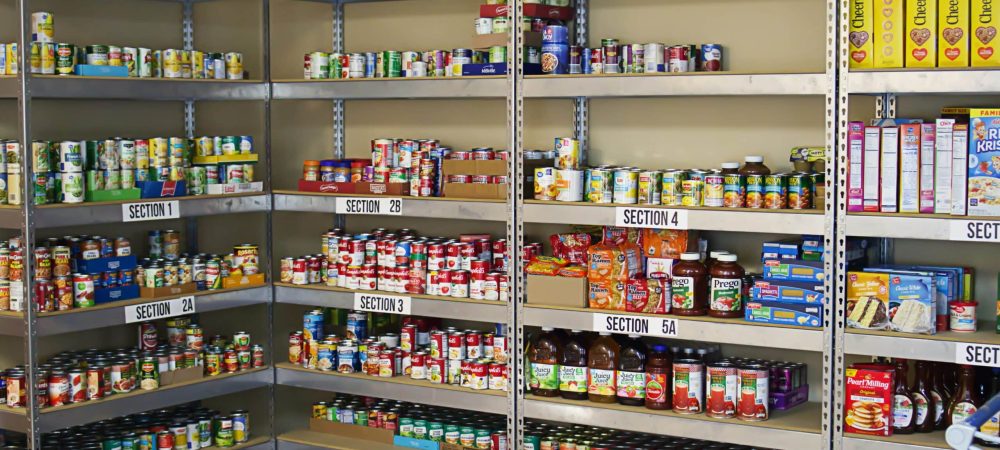

Food pantries have seen an uptick in demand in the last year amid limited access to federal programs.
Whitman-Walker Health’s President and CEO Naseema Shafi was recently interviewed for an important article about food insecurity in our city’s newest news outlet – The Washington Sun.
In recent months, Whitman-Walker Health has begun working together with 7 other organizations in SE DC in an initiative dubbed the Workforce and Wellness Collaborative, whose mission is to connect residents to resources as access to Supplemental Nutrition Assistance Program and Medicaid benefits became sharply limited through the Trump-backed “one big, beautiful bill.”
Excerpts:
As previously reported by The Washington Sun, the Capitol Area Food Bank’s 2026 Hunger Report found that more than one in three households across the capital region experienced food insecurity in the past year. According to the report’s heat map, the greatest food distribution in D.C. occurred in Ward 8.
More than 9,000 D.C. residents lost their SNAP benefits from July 2025, when changes to the program’s eligibility requirements went into effect, to June 2026, according to the Food Research and Action Center. Many people, including the elderly, now face an increased work requirement to qualify.
“With SNAP, we’ve got older folks who have never had to pull together documentation to prove that they are eligible for the food assistance, and now they have to,” said Naseema Shafi, health CEO of the Whitman-Walker clinic. “We know from the different food access reports that our elders in the community are some of our most food insecure.”
For Washington View resident Angela Clemons, a mother of three who is both a patron and an employee of the food pantry, having help maintaining benefits and keeping food on the table is vital for her family. “People are gonna really need the pantry because if you’re not working, then you can’t get SNAP,” she said. “And it’s hard to find a job.”
To counter the effects of the economic and policy changes, Building Bridges partnered with seven organizations to create another collaborative. The network’s workforce and wellness initiative helps eligible residents keep their benefits by providing workforce training, assisting with paperwork, identifying exemptions and maintaining access to resources like Fresh Market.
“The reason workforce and wellness came together was because we’re helper organizations,” Shafi said. “We think we can do something really impactful when we’re working across our sectors. People can find someone who can help them navigate these really difficult things.”
The organizations are also working to identify and help especially vulnerable residents, including immigrants, whose ability to obtain legal residency can depend on whether they have received social safety benefits. The public charge policy “has made people feel like they can’t access benefits that they’re entitled to,” Shafi said. “They’re afraid that it’ll get counted negatively on their immigration journey.”
Read full article in The Washington Sun:
https://www.washingtonsun.com/metro/dc-food-insecurity-benefits-support